


Normalize not telling anyone anything
I wrote a note some days ago that said, “ Unfortunately, I’m not the news. I’m not a reporter, and I don’t owe anyone updates on what’s going on in my life.”
At the time, it felt obvious, almost ironic. But the thought stayed with me longer than I expected and made me reflect on how keeping things to yourself can be an act of care, privacy, and safety.
Somewhere along the way, silence became something you have to justify. If you don’t reply, you’re seen as rude. If you step back, you’re labeled distant, suspicious, or cold.
We’ve slowly learned to treat constant availability as politeness and sharing as proof of honesty. Anything outside of that feels wrong, even when it isn’t.
Privacy is often confused with secrecy, but they are not the same. Privacy is choosing what stays yours. Secrecy is hiding with fear.
You can be honest and quiet at the same time. You don’t owe anyone an explanation for what you’re not sharing, that’s the point of privacy. Some decisions are meant to be made without consulting everyone. Some plans need protection before they harden under other people’s opinions.
Lao Tzu - “ Silence is a source of great strength.”
Keeping things to yourself can be a form of self-care.
It allows ideas, dreams, and intentions to exist without being judged, questioned, or shaped by an audience. Not everything survives exposure. Some things need time, silence, and space before they are ready to be seen,if they ever need to be seen at all.
Rainer Maria Rilke - “ Live your questions now, and perhaps even without knowing it, you will live along some distant day into your answers.”
Lately, I’ve seen more conversations online about how we’re not supposed to share everything. Not everything becomes content. Not everything needs to be processed publicly to be real.
You don’t need to post how you decorate your home, share your age, explain where you study, or announce every step you’re about to take.
This isn’t about paranoia. Sometimes it’s simply about safety.
We’ve normalized oversharing to the point where privacy is seen as strange or uninteresting.
When something bad happens, the response is often that we’re being dramatic, as if protecting yourself was unnecessary to begin with.
But privacy isn’t a lack of confidence, and it isn’t a personality flaw. It’s a boundary.
Everyone feels like an open book now, always available, always explainable. Yet I believe the most interesting people are the ones who treat privacy like a luxury.
Audre Lorde said, “ Caring for myself is not self-indulgence, it is self-preservation.”
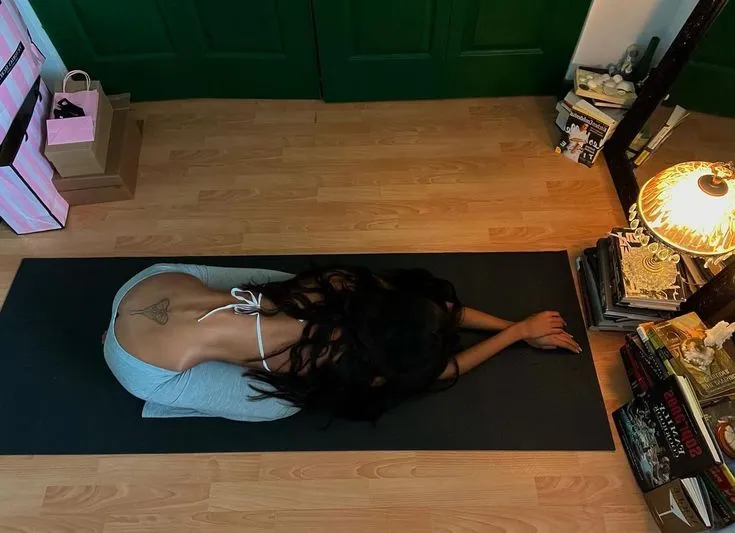
Sometimes self-preservation looks like choosing not to share.
Keeping things to yourself often brings them closer to you. When no one is watching, you act with more honesty. When there’s no audience, no approval, and no commentary, you do things for yourself rather than for performance. Your goals, your healing, your next step become something intimate, something real.
So no, keeping things to yourself isn’t about fear or secrecy. It’s about letting parts of your life remain soft, unfinished, and protected.
Some chapters are meant to be lived quietly. Some things don’t need witnesses to matter. And sometimes, the healthiest choice you can make is simply this: normalize not telling anyone anything.
Maybe not everything needs to be understood by everyone. Maybe some things are meant to stay unnamed, unshared, and untouched by outside opinions.
“ You don’t owe the world a version of yourself it can understand.” - Unknown
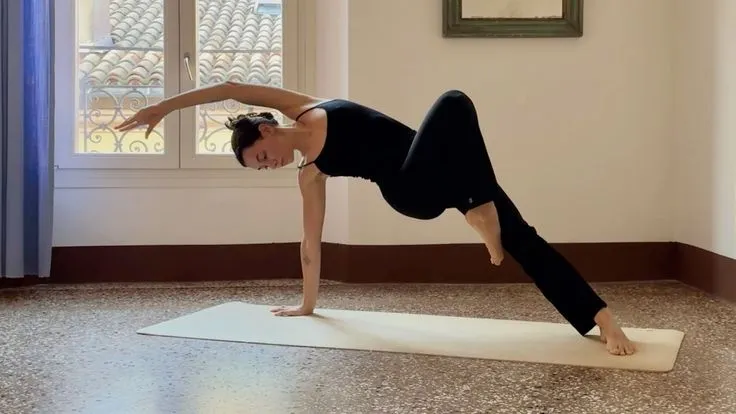
There is a quiet kind of freedom in not explaining yourself, in letting your life unfold without constant commentary. You don’t have to turn every thought into a statement or every experience into proof that you’re doing something right.
There is value in moving slowly, in choosing when and if something becomes visible.
Growth doesn’t always announce itself. Healing doesn’t need witnesses. Joy doesn’t lose its meaning just because it isn’t posted, measured, or validated. Some of the most important moments in our lives happen privately, without applause, without confirmation, and without an audience watching closely.
Keeping parts of your life to yourself is not about shutting people out. It’s about staying connected to yourself. It’s about protecting the space where your intentions are still forming, where your dreams are still fragile, and where your next steps don’t yet need outside voices. In that space, you get to listen to yourself more clearly.
“ What is sacred deserves privacy.” - Brené Brown
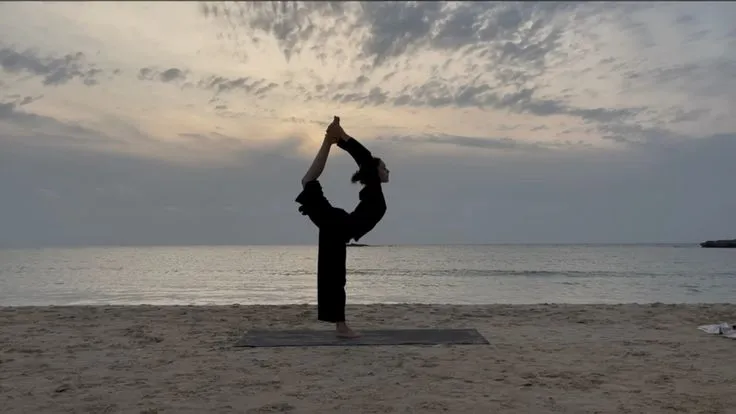
Not everything needs to be shared to be real. Not everything needs a reaction to be meaningful. You are allowed to exist without constant explanation, without updates, and without permission. Silence can be a boundary, a shelter, and sometimes even a form of self-respect.
So if you choose to stay quiet, let it be intentional. Let it be gentle. Let it be yours. Some things are better kept close, not because they are fragile, but because they matter. And in a world that demands visibility, choosing privacy can be one of the most powerful acts of care you offer yourself.
“ The strongest actions are often the quietest ones.” - Unknown